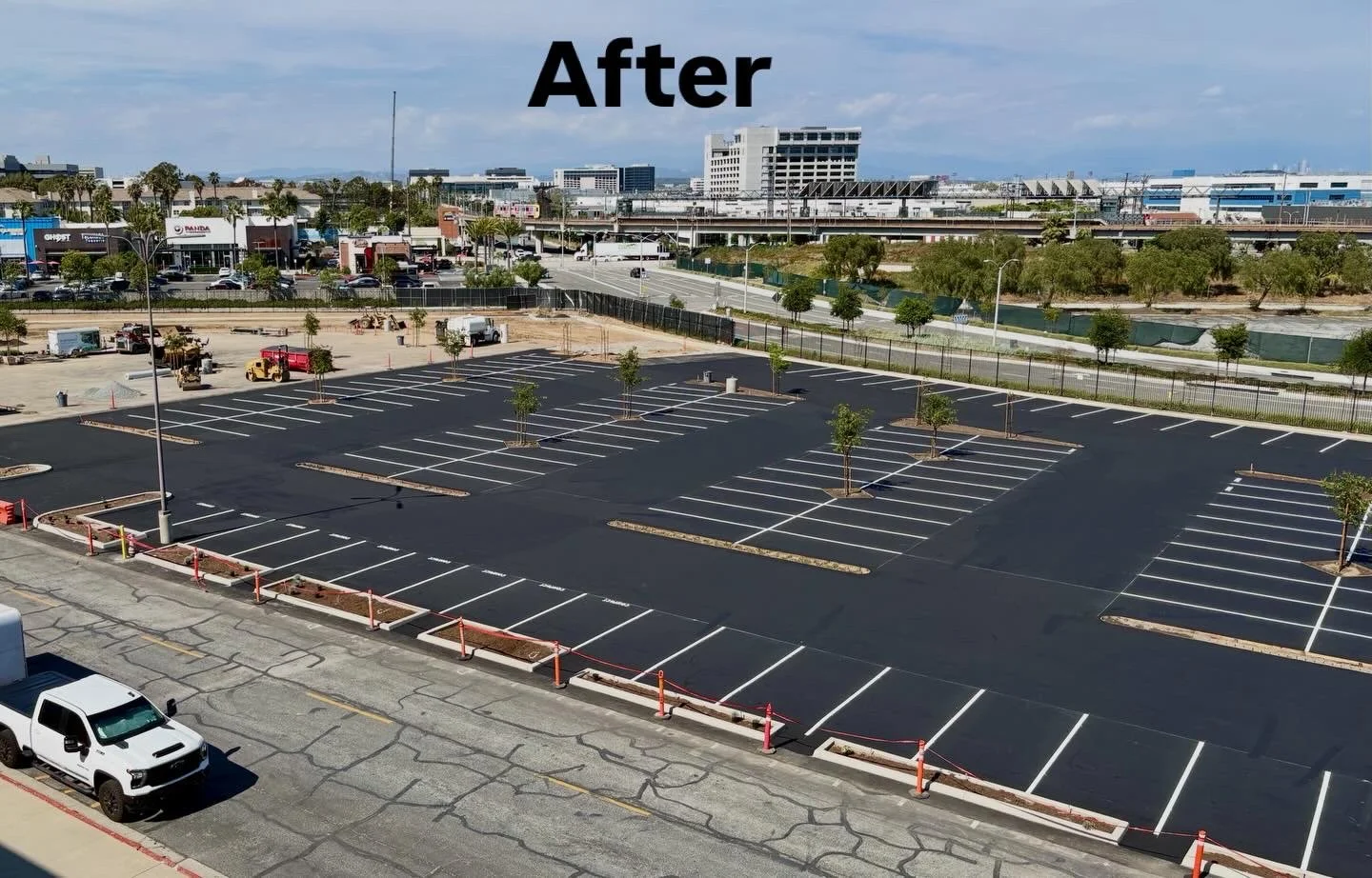
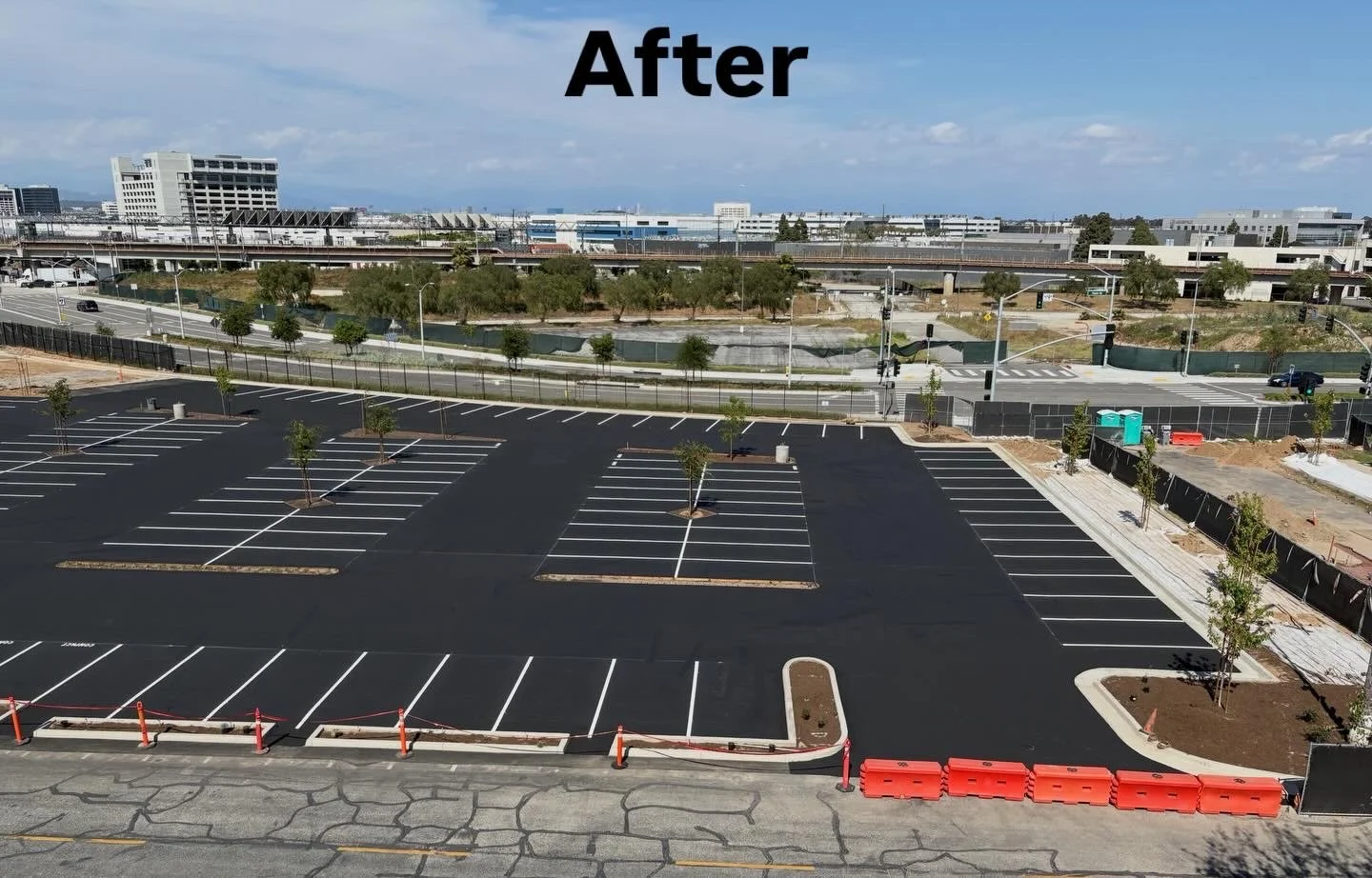
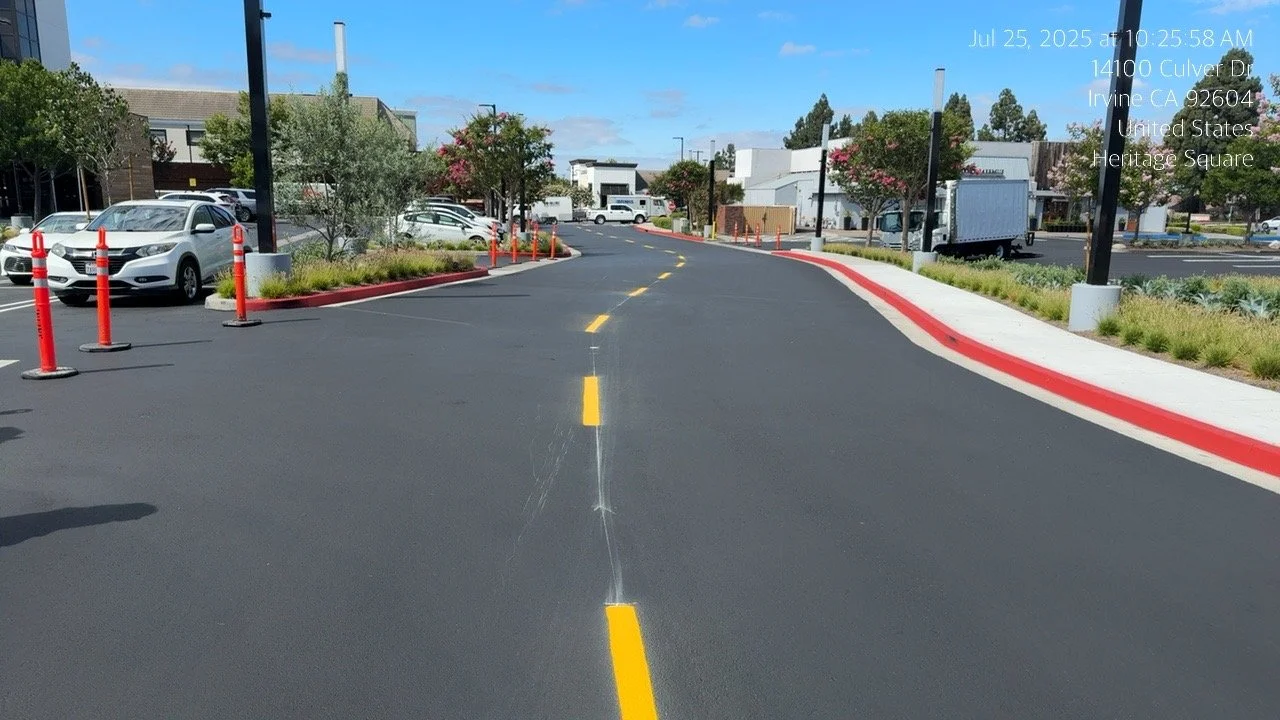
Seal Coat and Striping
Seal coat
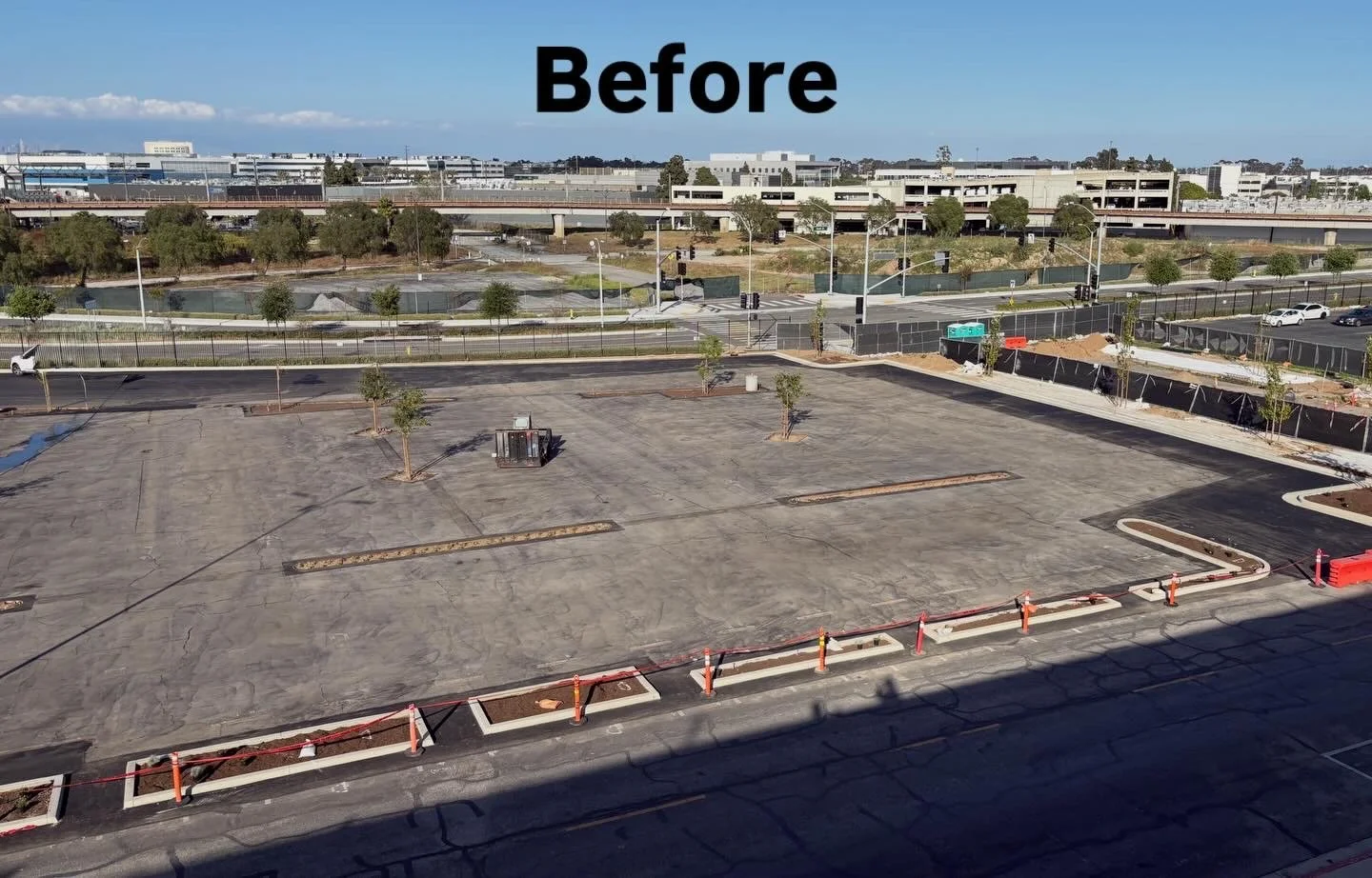
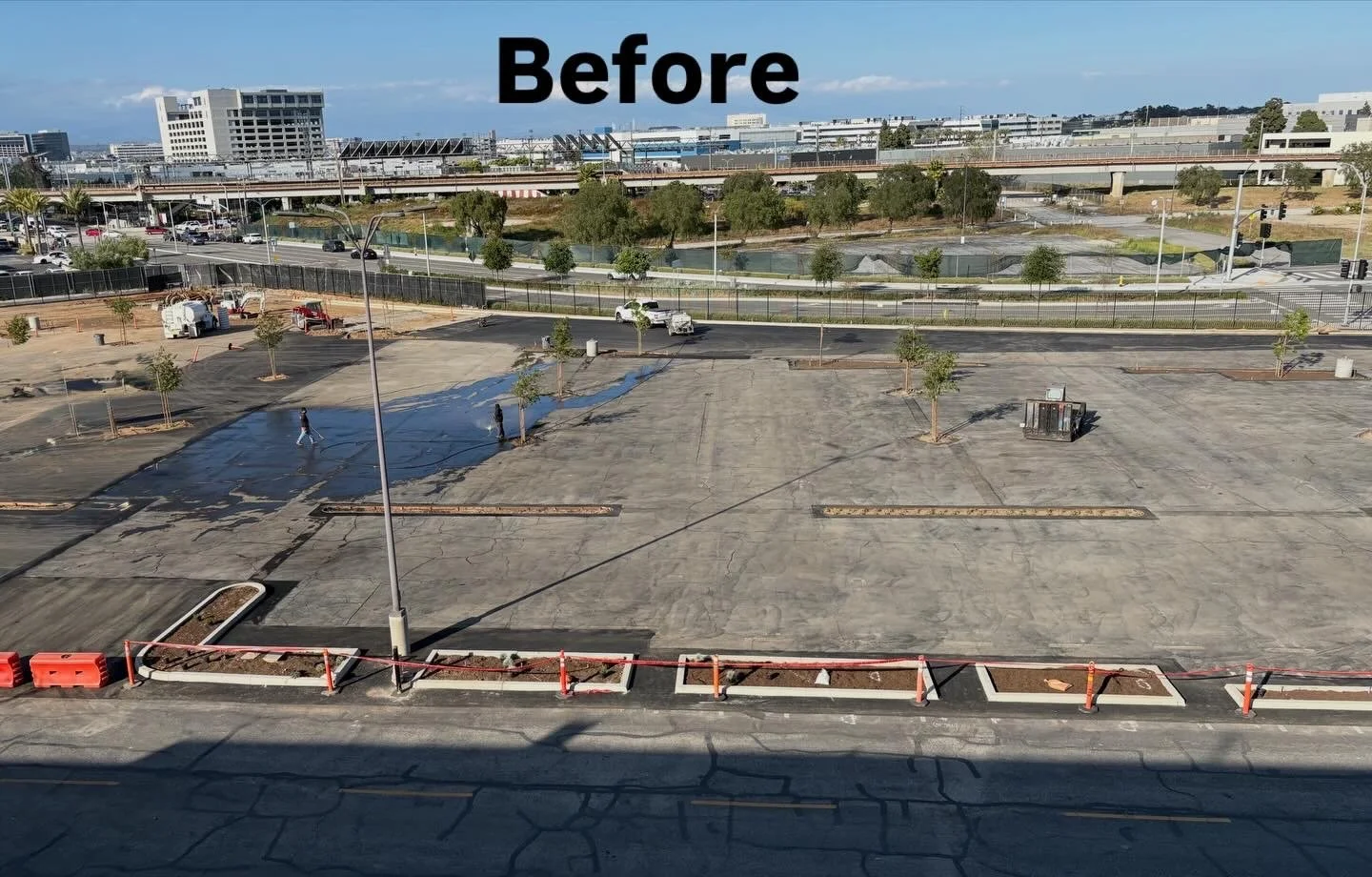
Seal coating is a protective surface treatment applied to asphalt pavement to extend service life, improve aesthetics, and restore skid resistance. It fills small voids, resurfaces oxidized pavement, and forms a waterproof barrier that reduces damage from UV, water infiltration, oil and gasoline, and deicing chemicals.
When to use seal coat
New asphalt: Apply a first seal coat after the asphalt has had proper curing time (typically 6–12 months) to protect compaction-related drying and early oxidation.
Mature pavement: Use seal coat as a preventative maintenance measure on sound pavement showing surface oxidation, minor hairline cracking, or loss of binder, but no structural failures like deep rutting or potholes.
After repairs: Seal coating can unify appearance and protect patched areas once repairs have properly cured.
Benefits
Extends pavement life: Regular seal coating slows oxidation and binder loss, delaying major rehabilitation.
Reduces maintenance costs: Preventive seal coats are far less expensive than milling and overlays.
Improves appearance: Restores a uniform, dark finish.
Enhances safety: Can improve skid resistance and visibility of markings when timed appropriately.
Water resistance: Acts as a barrier against moisture intrusion that can weaken base layers.
Striping
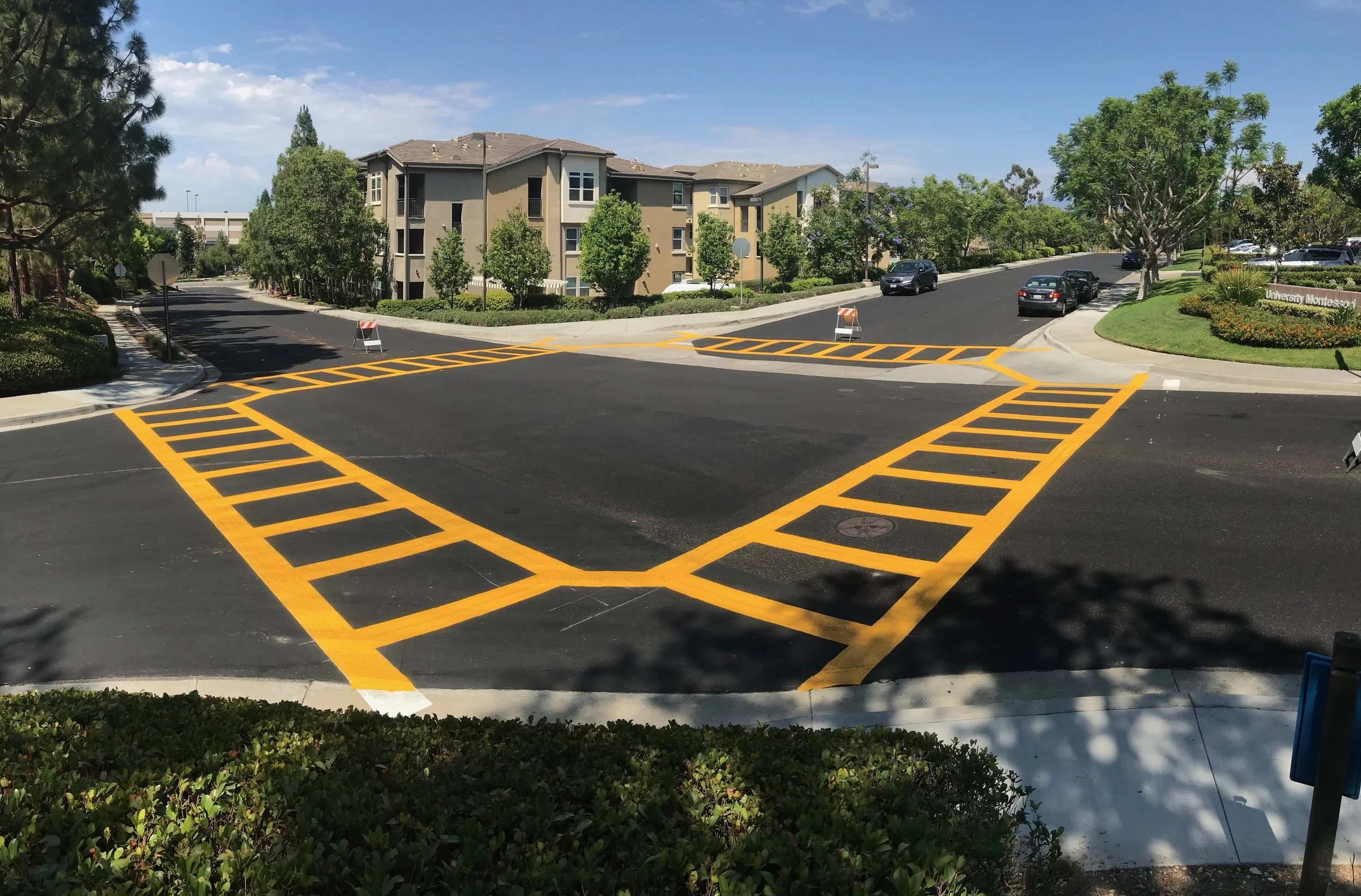
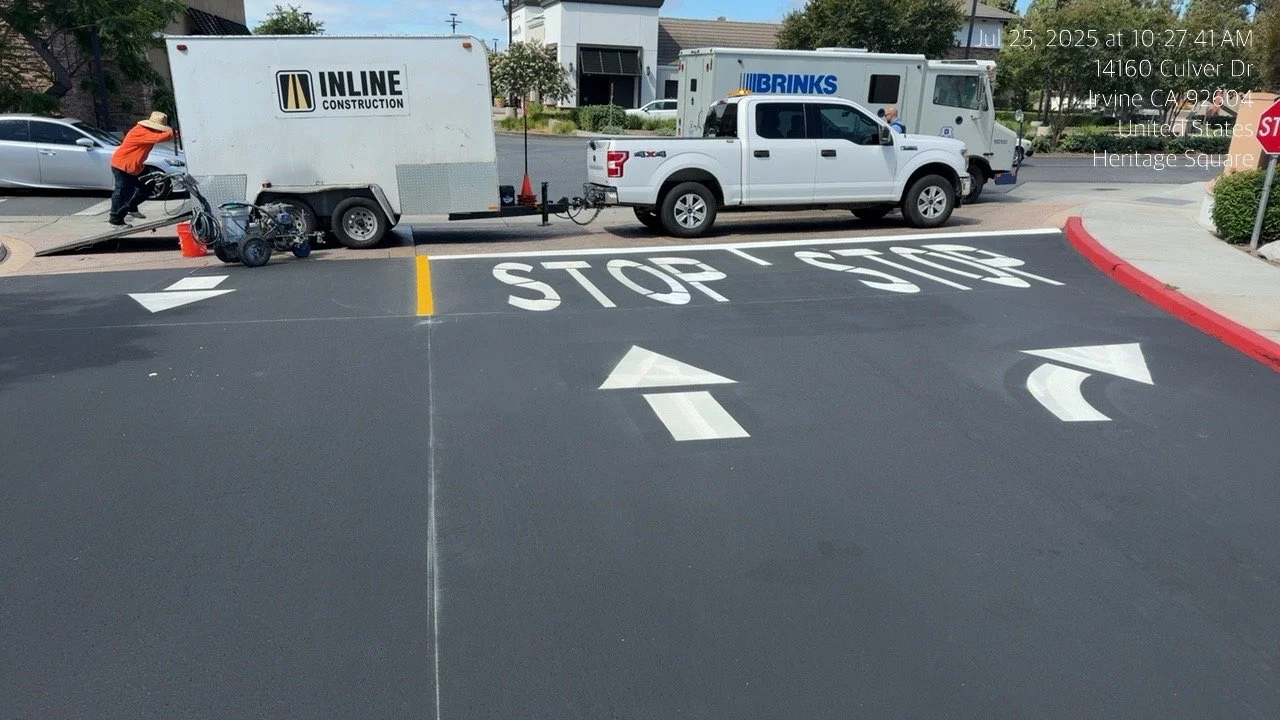
Traffic striping is the application of painted or thermoplastic markings on road surfaces to guide vehicle and pedestrian movement, enhance safety, and organize roadway space. Proper striping improves lane discipline, clarifies turning and merge patterns, defines bike lanes and parking areas, and increases visibility at night and during adverse weather.