Ada Compliance
ADA Compliance
Understanding ADA Requirements for Parking Lots and Pavement Work
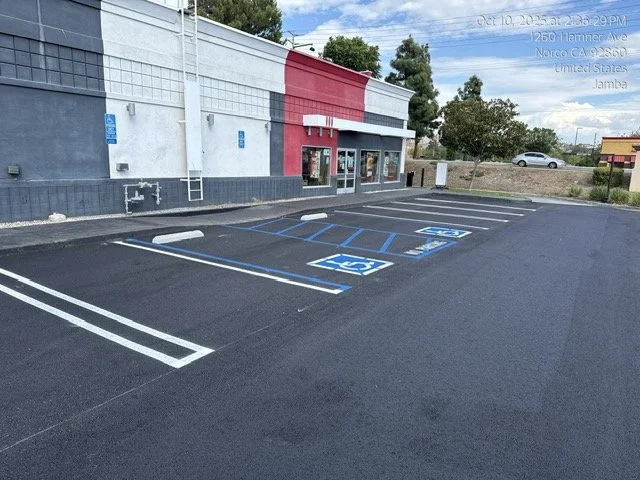
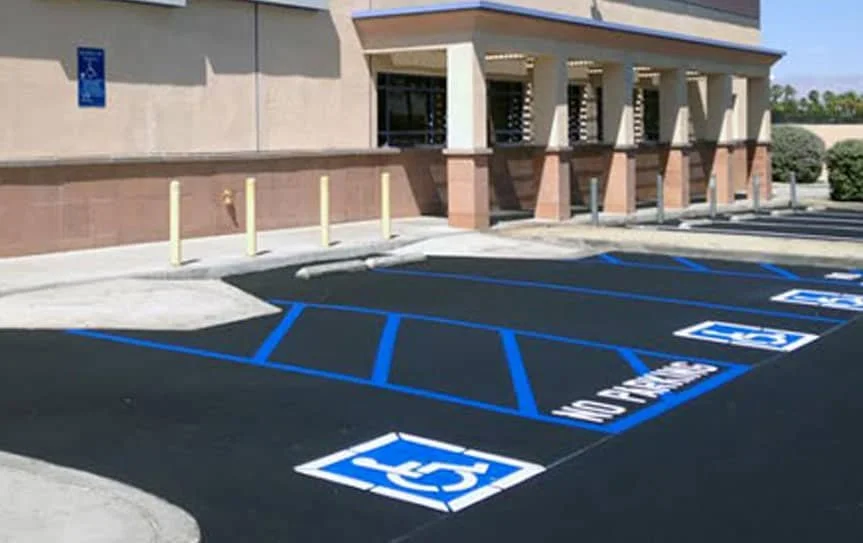
Accessible parking spaces: Provide the required number of accessible parking spaces based on total lot capacity. Ensure van-accessible spaces (8 feet wide with an adjacent 8-foot access aisle, or a single 11-foot wide space with a 5-foot aisle) are included where regulations require. Access aisles must be marked and kept clear.
Stall dimensions and marking: Accessible stalls must meet width and signage requirements. Surface parking stalls should be level and have stable, firm, slip-resistant pavement. Mark stalls with the International Symbol of Accessibility and install the required vertical signage at the correct height.
Slope and cross-slope: Accessible routes, ramps, and parking areas must meet maximum slope and cross-slope limits. Running slopes greater than 2% may require a ramp and landings. Cross-slopes should generally not exceed 2% to ensure wheelchair mobility.
Accessible routes: Provide an accessible route from accessible parking spaces to building entrances and public sidewalks. Routes must be a minimum clear width (typically 36 inches), have proper curb cuts or ramps, and feature smooth transitions from pavement to adjoining surfaces.
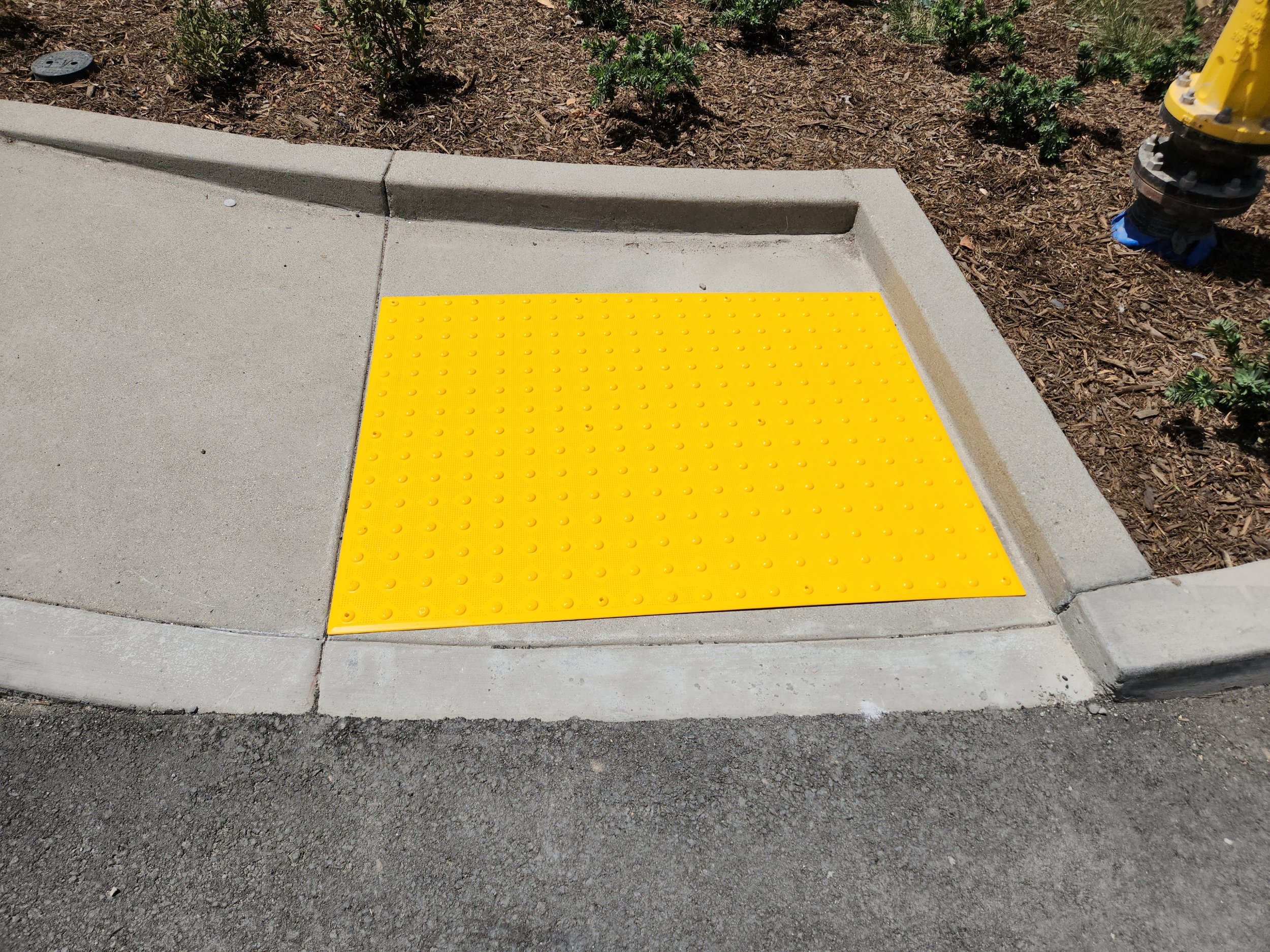
Curb ramps and pedestrian access: Install curb ramps where sidewalk routes cross curbs. Ramps must have appropriate slope, width, level landings, and detectable warning surfaces (truncated domes) at the street edge per ADA standards.
Detectable warnings and signage: Use detectable warnings at curb ramps and transitional areas where pedestrian ways meet vehicular ways. Ensure signage is mounted at required heights and locations and includes proper symbols and regulations.
Surface condition and maintenance: Keep pavement free of large cracks, potholes, heaving, and settled areas that create trip hazards or impede mobility devices. Regular maintenance, timely patching, crack sealing, and repaving help maintain ADA compliance.
Asphalt and pavement work plays a critical role in ADA accessibility. Proper planning, construction, and ongoing maintenance keep parking and pedestrian areas functional and compliant, reduce liability, and ensure equitable access for all users.