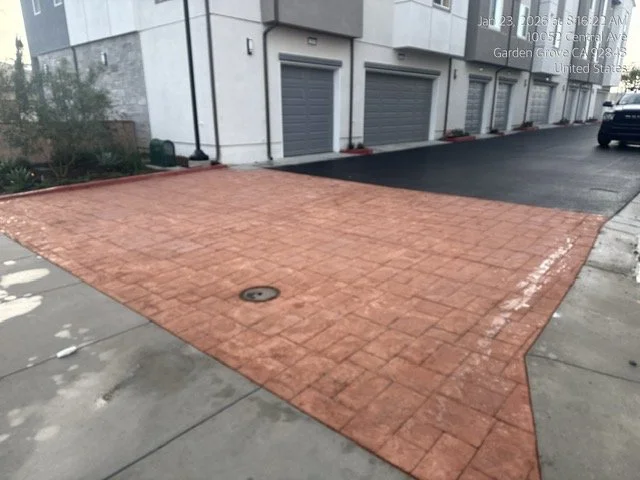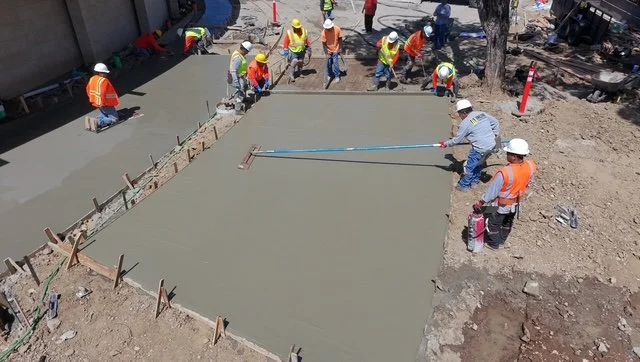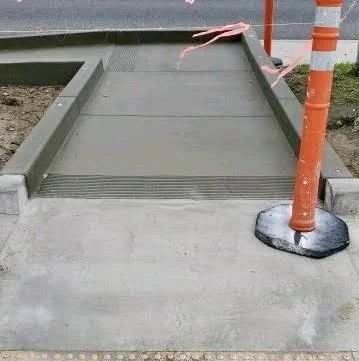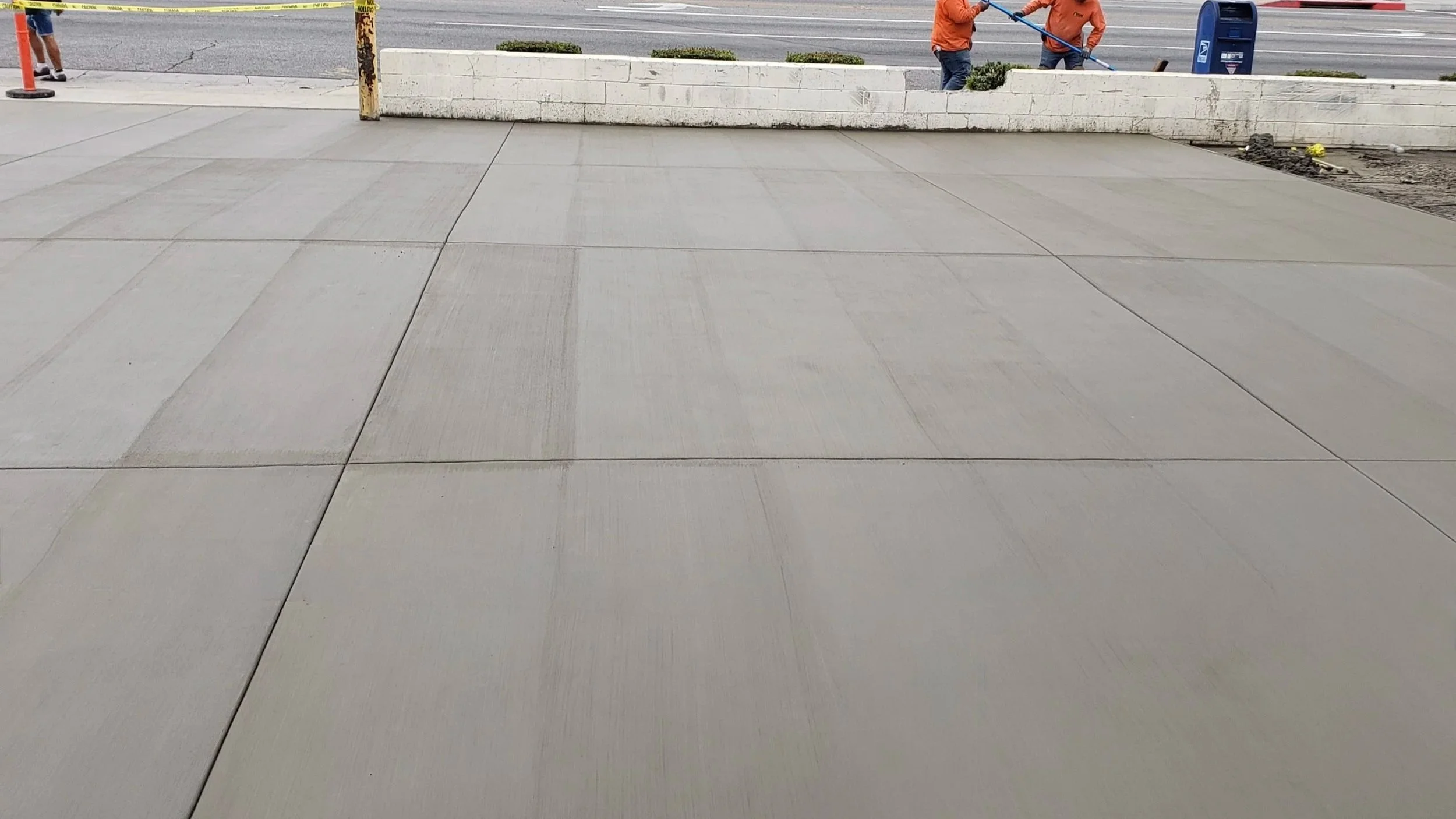
Concrete
Concrete Repair and Replace
Overview Concrete surfaces—driveways, sidewalks, patios, and curbs—are subject to cracking, spalling, settlement, scaling, and deterioration from heavy loads, roots age and poor initial installation. Deciding whether to repair or to replace depends on the type, extent, and cause of damage as well as performance goals.
Repair is appropriate when damage is localized, structural integrity is intact, and the underlying cause can be addressed.
Common repair scenarios
Surface spalling and scaling: remove loose material, profile substrate, and apply resurfacing overlays, polymer-modified patching compounds, or micro-toppings.
Pitting and surface defects: use repair mortars formulated for thin repairs and adherence to existing concrete.
Joint deterioration: replace or repair control joints and apply joint sealants or flexible backer rods.
When to Replace
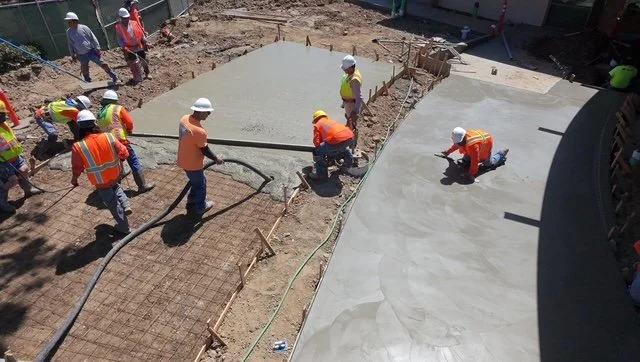
Replacement is the right choice when damage is widespread, the slab is severely heaved or settled, reinforcing steel is extensively corroded, multiple repairs have failed, there is significant structural damage, or when the slab was poorly installed
Cracks are severe and traverse the majority of the area or are accompanied by differential settlement.
Spalling exposes and corrodes rebar across large areas.
Multiple previous repairs continue to fail.
There are persistent drainage or soil issues causing recurring problems.
You require a new slab with upgraded specifications (greater thickness, reinforcement, improved subbase, better slope/drainage, or integrated radiant heat).