Pressure Washing and Restripe

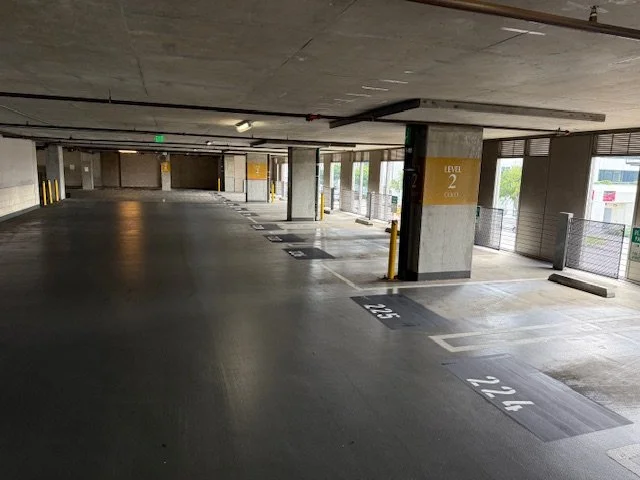
Empty multi-level parking garage with designated parking spots and concrete pillars, some marked with level and space numbers.

Hot Pressure Washing

Hot pressure washing uses heated water to remove dirt, grease, oil, mold, mildew, and other stubborn contaminants from surfaces. Raising the water temperature improves cleaning efficiency, loosens grime faster, and can reduce the need for harsh detergents. This method is commonly used in commercial, industrial, and heavy-duty residential applications where conventional cold-water pressure washing is insufficient.

How hot pressure washing works

  • Heated water is produced either by an integrated diesel- or gas-fired boiler in a hot-water pressure washer or by an external heat exchanger.

  • High-pressure pumps deliver the heated water through high-temperature-rated hoses and nozzles.

  • Typical operating temperatures range from 140°F to 320°F, depending on the equipment and cleaning requirements.

  • Pressure levels vary widely—from 1,000 psi for delicate surfaces up to 4,000+ psi for heavy industrial degreasing.

Benefits

  • Improved cleaning power: Heat breaks down oils, greases, and biofilms more effectively than cold water.

  • Chemical reduction: Heat can reduce or eliminate the need for harsh chemical detergents, making cleaning safer and more environmentally friendly in many cases.

    Restripe

    A restripe restores parking-lot markings and pavement markings to full visibility and compliance without repaving. It refreshes faded lines, replaces noncompliant layouts, and updates markings to current ADA and municipal standards. Proper restriping improves traffic flow, reduces liability, reinforces branding, and extends the useful life of pavement markings.

    When to schedule a restripe

    • Pavement markings are faded, cracking, or have poor contrast with pavement.

    • Parking stalls, crosswalks, or loading zones are difficult to distinguish.

    • After pavement repairs, overlays, or sealcoating that removed or obscured existing markings.

    • When accessibility standards, local ordinances, or tenant needs change.

    • As part of a regular maintenance cycle (typically every 1–3 years for high-traffic lots, 3–5 years for lower-traffic).